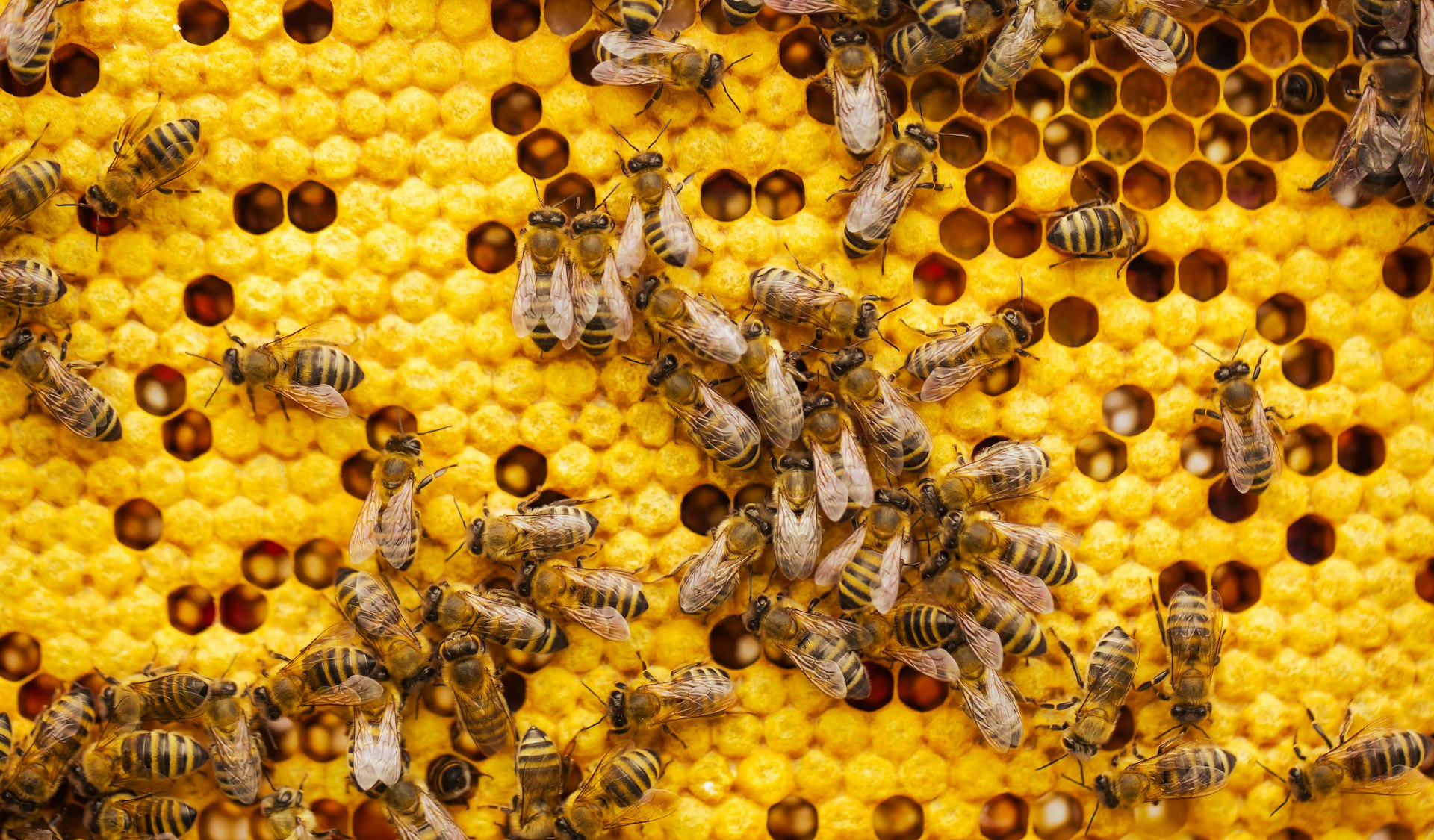
Ozonation in beekeeping is used to disinfect hives, frames and combs from bee disease pathogens. Treatment with moderate ozone concentrations has a beneficial effect on colony activity.
Regular ozonation reduces pathogenic microorganisms, decreases humidity in the hive air and improves gas composition. As a result, treated colonies showed an increase in marketable honey production of 25 kg per season compared to the control group.
Ozone applications in beekeeping
- Comb disinfection from chalkbrood (ascosphaerosis) pathogens
- Hive and frame treatment for foulbrood diseases
- Varroosis control in complex therapy
- Improved hive microclimate
- Beekeeping equipment disinfection
- Nosemosis and other infection prevention
- Wintering house and apiary building treatment
Chalkbrood control
| Infection level | O₃ concentration | Treatment time | Frequency |
|---|---|---|---|
| Prevention | 100-150 mg/m³ | 30-45 min | Once a month |
| Mild form | 200-250 mg/m³ | 60 min | Twice daily, 5-7 days |
| Moderate form | 250-350 mg/m³ | 60 min | Three times daily, 7-10 days |
| Severe form | 400-500 mg/m³ | 60-90 min | Four times daily, 10-14 days |
Effectiveness against various pathogens
| Pathogen/disease | O₃ concentration | Time | Effectiveness |
|---|---|---|---|
| Ascosphaera apis (chalkbrood) | 250-500 mg/m³ | 60 min | 50-77% |
| Paenibacillus larvae (American foulbrood) | 300-500 mg/m³ | 60-90 min | 85-95% |
| Melissococcus plutonius (European foulbrood) | 250-400 mg/m³ | 45-60 min | 90-98% |
| Nosema apis (nosemosis) | 200-300 mg/m³ | 30-45 min | 80-90% |
| Aspergillus (aspergillosis) | 300-500 mg/m³ | 60-90 min | 85-95% |
| Deformed wing virus | 150-250 mg/m³ | 30-45 min | 70-85% |
Stimulating effect of ozone
| Indicator | Control group | Treated group | Difference |
|---|---|---|---|
| Honey yield, kg/season | 45-50 | 70-75 | +25 kg (+50%) |
| Colony strength, frames | 8-10 | 12-14 | +40% |
| Queen egg-laying, eggs/day | 1200-1400 | 1600-1800 | +30% |
| Brood rearing | 100% | 135-140% | +35-40% |
| Wintering (losses) | 15-20% | 5-8% | -60% |
| Swarming | Frequent | Rare | 2-3 times reduction |
Comb and equipment treatment
| Treatment object | O₃ concentration | Time | Note |
|---|---|---|---|
| Combs (prevention) | 200-300 mg/m³ | 30-45 min | After honey extraction |
| Combs (disinfection) | 400-600 mg/m³ | 60-90 min | In case of diseases |
| Empty hives | 300-500 mg/m³ | 45-60 min | Before settling |
| Metal equipment | 500-700 mg/m³ | 30-45 min | Smokers, hive tools |
| Protective clothing | 300-400 mg/m³ | 30-45 min | In ozone chamber |
| Honey containers | 200-300 mg/m³ | 20-30 min | Before filling |
Seasonal ozonation calendar
| Period | Treatment type | Concentration | Purpose |
|---|---|---|---|
| Early spring (March) | Stimulating | 10-15 mg/m³ | Colony activation after wintering |
| Spring (April-May) | Preventive | 100-200 mg/m³ | Spring infection prevention |
| Summer (June-July) | Stimulating | 10-15 mg/m³ | Honey yield increase |
| After extraction (August) | Comb disinfection | 300-500 mg/m³ | Disinfection of freed combs |
| Autumn (September) | Preventive | 150-250 mg/m³ | Wintering preparation |
| Wintering house (November) | Disinfection | 400-600 mg/m³ | Wintering house treatment before placement |
Benefits of ozonation in beekeeping
Chemical-free
Ozone leaves no residues in honey and bee products — completely eco-friendly method
Honey yield increase
Increase in marketable honey by 25 kg per colony per season with regular ozonation
Disease control
Effectiveness against chalkbrood, foulbrood, nosemosis and other infections
Improved wintering
2-3 times reduction in colony losses during wintering thanks to bee health improvement
Reduced swarming
Stimulating ozonation reduces colony tendency to swarm by 2-3 times
Economic benefit
Equipment payback in 1-2 seasons through increased apiary productivity