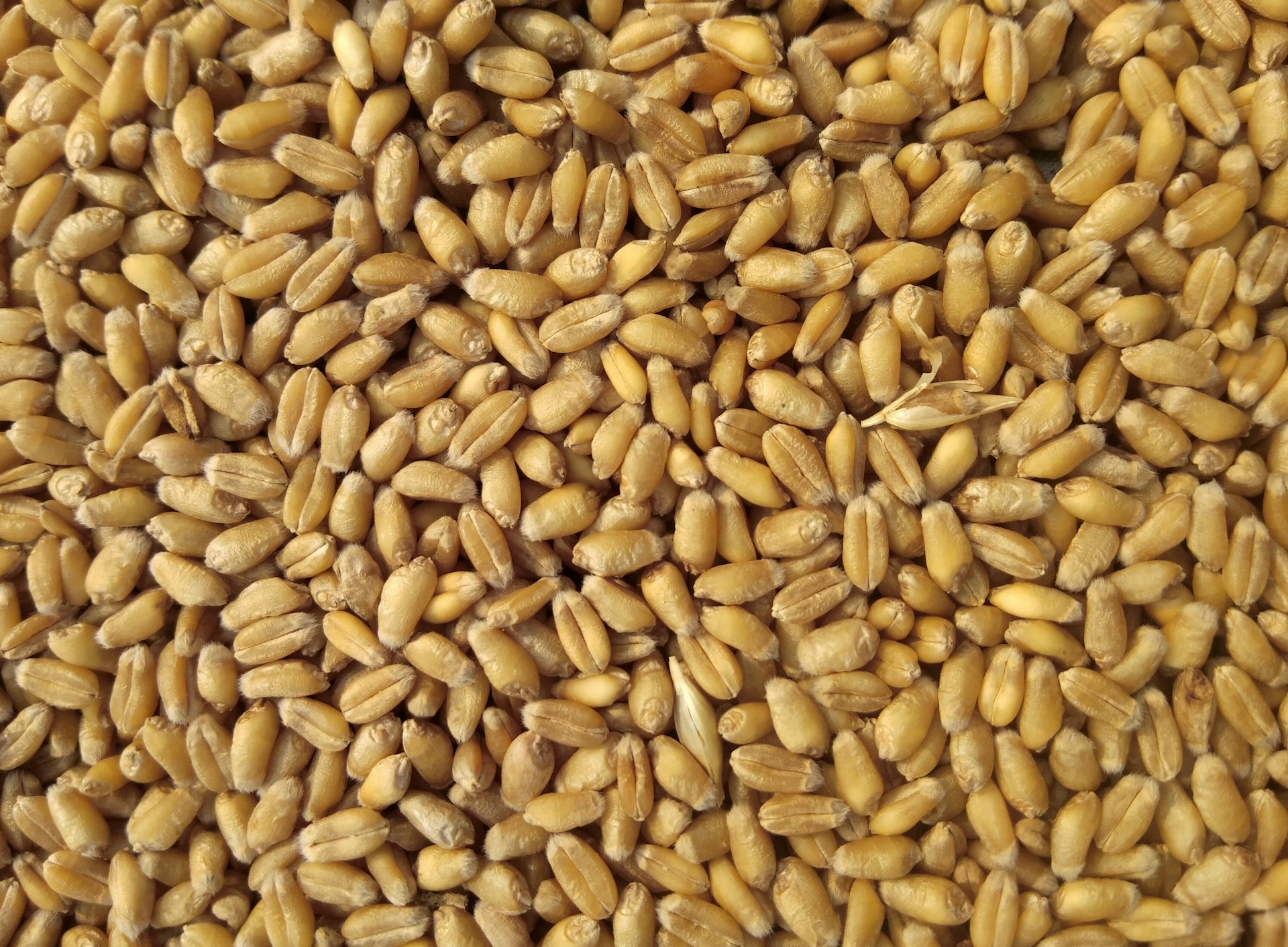
Grain storage is a critical process where pest losses can account for 5 to 50% of world production. Ozone-based grain treatment effectively controls pests and prevents mold spread without using chemicals.
Ozone affects insects and mites at all life stages. After treatment at 30–60 mg/m³ for 30–60 minutes, mortality reaches 95–99%. Grain disinfection level reaches 80–95% for total contamination and treatment does not impair sensory or nutritional quality.
Ozone application areas
- Grain disinsection — elimination of storage pests
- Disinfection — reduction of microbial and fungal contamination
- Detoxification — destruction of mycotoxins
- Pre-sowing seed treatment — increased germination
- Grain storage disinfection — preparation for loading
- Grain preservation — extended storage life
Storage pest elimination
Ozone affects insects and mites at all life stages: eggs, larvae, pupae and adults. The mechanism is based on oxidation of cuticle lipids and destruction of insect respiratory systems.
| Pest | O₃ concentration | Treatment time | Mortality |
|---|---|---|---|
| Grain weevil | 30–50 mg/m³ | 30–60 min | 95–99% |
| Rice weevil | 30–50 mg/m³ | 30–60 min | 96–99% |
| Grain borer | 40–60 mg/m³ | 45–90 min | 95–98% |
| Flour beetle | 40–60 mg/m³ | 60–120 min | 93–97% |
| Sawtoothed grain beetle | 30–50 mg/m³ | 30–60 min | 97–99% |
| Grain moth | 20–40 mg/m³ | 30–45 min | 98–99% |
| Grain mite | 50–80 mg/m³ | 60–120 min | 90–95% |
Disinfection and mycotoxin reduction
Mold fungi on grain produce dangerous mycotoxins: aflatoxins, zearalenone, deoxynivalenol (DON). Ozonation destroys fungi and partially breaks down already formed toxins.
| Indicator | O₃ concentration | Time | Effectiveness |
|---|---|---|---|
| Total microflora | 20–40 mg/m³ | 15–60 min | 80–95% |
| Mold fungi | 30–50 mg/m³ | 30–60 min | 85–95% |
| Aspergillus (aflatoxins) | 40–60 mg/m³ | 45–90 min | 90–95% |
| Fusarium (DON, zearalenone) | 40–60 mg/m³ | 60–120 min | 75–90% |
| Aflatoxin B1 | 50–100 mg/m³ | 120–180 min | 60–80% |
| Zearalenone | 50–100 mg/m³ | 120–180 min | 50–70% |
Grain ozonation modes
Mode selection depends on treatment goals: prevention, disinsection or disinfection. It is important to consider grain moisture, temperature and storage airtightness.
| Treatment goal | O₃ concentration | Time | Frequency |
|---|---|---|---|
| Prevention | 10–20 mg/m³ | 4–6 hours | Every 2–4 weeks |
| Disinsection | 30–60 mg/m³ | 1–2 hours | As needed |
| Disinfection | 30–50 mg/m³ | 1–3 hours | During loading/unloading |
| Deep treatment | 60–100 mg/m³ | 2–4 hours | Every 3–6 months |
| Pre-sowing treatment | 10–30 mg/m³ | 30–60 min | Before sowing |
Pre-sowing seed treatment
Ozone seed treatment increases germination, germination energy and seedling resistance to adverse conditions. Research confirms significant yield gains.
| Crop | Treatment mode | Germination increase | Yield gain |
|---|---|---|---|
| Wheat | 10–20 mg/m³, 30 min | +5–8% | +18–22% |
| Barley | 10–20 mg/m³, 30 min | +6–10% | +14–17.5% |
| Corn | 15–25 mg/m³, 45 min | +4–7% | +12–16% |
| Sunflower | 15–25 mg/m³, 45 min | +5–8% | +10–14% |
| Soybean | 10–20 mg/m³, 30 min | +6–9% | +13–18% |
| Rice | 10–15 mg/m³, 20 min | +7–12% | +15–20% |
Grain storage ozonation technology
Storage preparation
Cleaning of grain residues and dust. Checking airtightness of gates, hatches and seams.
Equipment installation
Placing ozonator and ozone distribution system. Connection to power supply.
Sealing
Closing all openings, installing warning signs about treatment.
Ozone supply
Starting ozonator, monitoring concentration with sensors. Treatment time 2–6 hours.
Holding
After reaching target concentration, holding for 30–60 minutes without ozone supply.
Degassing
Turning on ventilation to remove residual ozone. Monitoring MPC (0.1 mg/m³).
Comparison with chemical fumigation
| Parameter | Ozonation | Phosphine (PH₃) |
|---|---|---|
| Residues in product | None | Present (MPC 0.1 mg/kg) |
| Eco-friendliness | Complete | Toxic to environment |
| Treatment time | 2–6 hours | 3–7 days |
| Pest resistance | Not formed | Increases with each use |
| Personnel safety | High (with MPC compliance) | Low (strong poison) |
| Effect on grain quality | Positive | May reduce germination |
| Treatment cost | Medium | Low–medium |
Advantages of ozonation in grain storage
Chemical-free
No residues in grain — complete ecological safety and food security
Pest control
95–99% destruction of insects at all development stages without resistance
Disinfection
80–95% reduction of microbial and fungal contamination
Yield increase
17–22% higher yields with pre-sowing seed treatment
Cost savings
Lower operational costs and faster treatment (2-6 hours vs 3-7 days for fumigation)
Economic benefit
Equipment payback in 1-2 seasons through loss reduction