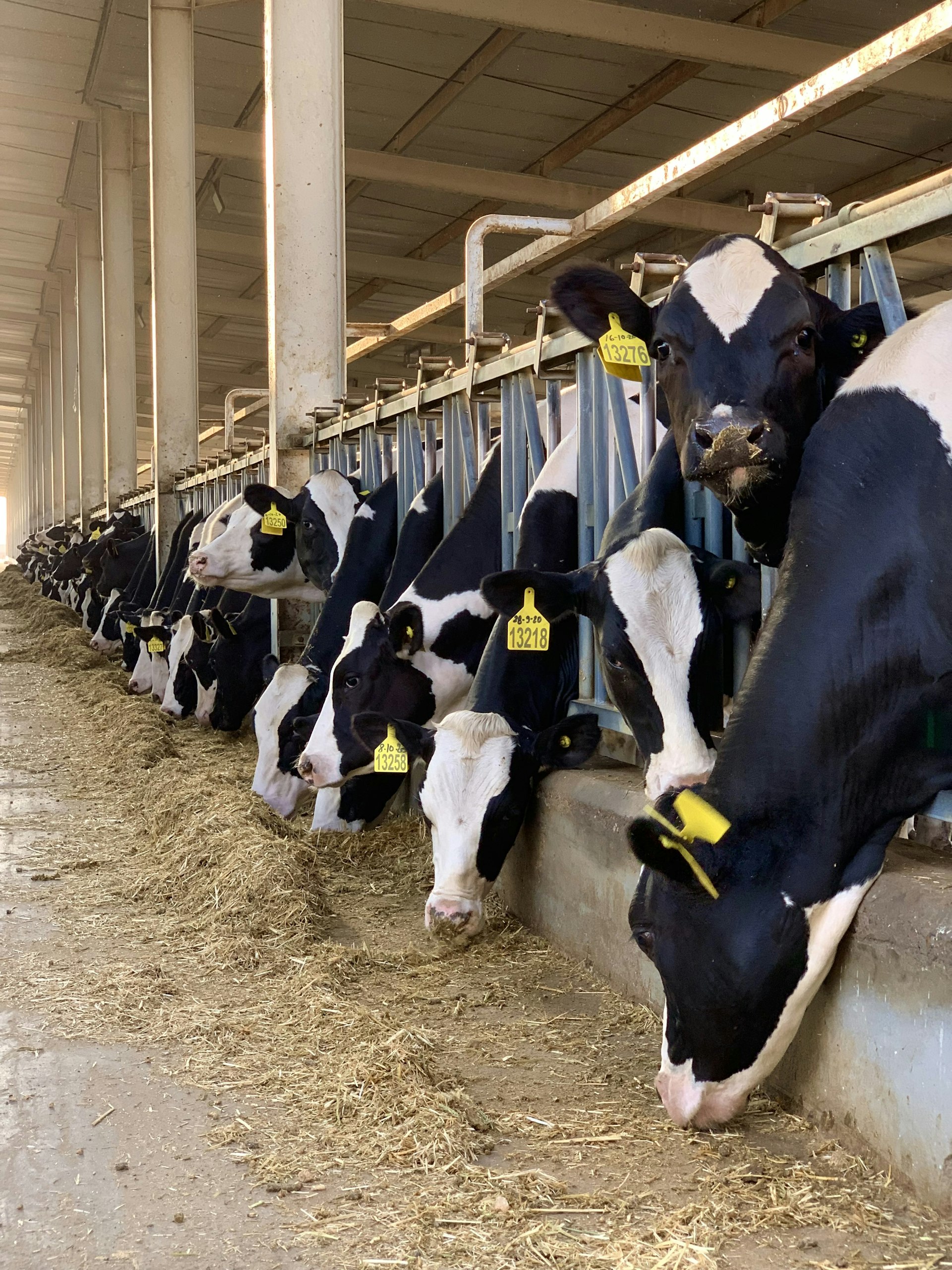
Modern livestock farming faces serious challenges: growing antibiotic resistance, stricter requirements for product eco-friendliness, and the need to increase productivity while reducing costs. Ozonation is a technology that addresses these challenges comprehensively.
Ozone application in livestock farming can reduce morbidity by 30-50%, increase productivity by 10-15%, and eliminate preventive antibiotic use. This is especially relevant in the context of the EU ban on using antibiotics as growth promoters.
Ozone application areas
- Air disinfection in animal housing
- Drinking water disinfection
- Feed treatment — reduction of mycotoxins and pathogens
- Dairy equipment and container disinfection
- Manure and wastewater treatment
- Maternity ward sanitation
Air disinfection in buildings
Air in livestock buildings is contaminated with ammonia, hydrogen sulfide, dust and microorganisms. Ammonia concentration can reach 0.02-0.03 mg/l at MPC of 0.01 mg/l. This reduces productivity, increases morbidity and worsens working conditions for staff.
| Parameter | Before treatment | After treatment | Reduction |
|---|---|---|---|
| Ammonia, mg/l | 0.025 | 0.005 | 80% |
| Hydrogen sulfide, mg/l | 0.008 | 0.001 | 87% |
| Microflora, CFU/m³ | 85,000 | 12,000 | 86% |
| Dust, mg/m³ | 4.5 | 1.2 | 73% |
Drinking water disinfection
Water quality directly affects animal health and productivity. Water from open sources and even artesian wells often contains pathogenic microorganisms, iron, manganese and organic compounds.
Water ozonation provides:
- Destruction of E.coli, Salmonella, Campylobacter and other pathogens
- Oxidation of iron and manganese to insoluble forms
- Elimination of unpleasant odors and tastes
- Improved water digestibility by animals
- Prevention of gastrointestinal diseases
| Purpose | Ozone concentration | Contact time |
|---|---|---|
| Drinking water for cattle | 0.3-0.5 mg/l | 10-15 min |
| Drinking water for pigs | 0.3-0.5 mg/l | 10-15 min |
| Equipment wash water | 1.0-2.0 mg/l | 5-10 min |
| Water for milk dilution | 0.5-1.0 mg/l | 15-20 min |
Feed treatment
Feed is the main source of mycotoxins and pathogenic microorganisms entering animals. Feed ozonation allows:
- Reduce mold fungi content by 90-95%
- Destroy mycotoxins (aflatoxins, zearalenone, DON)
- Eliminate pathogenic microflora (Salmonella, E.coli)
- Increase biological value and digestibility of feed
- Extend feed storage periods
Dairy equipment disinfection
On dairy farms, ozone is used to disinfect milking equipment, cooling tanks, milk pipelines and containers. This allows avoiding chemical cleaning agents and ensuring dairy product safety.
| Treatment object | Method | Effectiveness |
|---|---|---|
| Milking machines | Ozonated water 2-3 mg/l | 99.9% |
| Milk tanks | Ozonated water + air | 99.99% |
| Milk pipelines | Ozonated water circulation | 99.9% |
| Storage containers | Gaseous ozone | 99.99% |
Benefits of ozonation in livestock farming
Antibiotic-free
Reduced morbidity without preventive antibiotics — eco-friendly products
Increased productivity
5-10% increase in milk yield, 8-15% increase in average daily gain through improved conditions
Veterinary cost savings
30-40% reduction in treatment and disease prevention costs
Improved working conditions
Reduced concentration of harmful gases and odors for farm staff