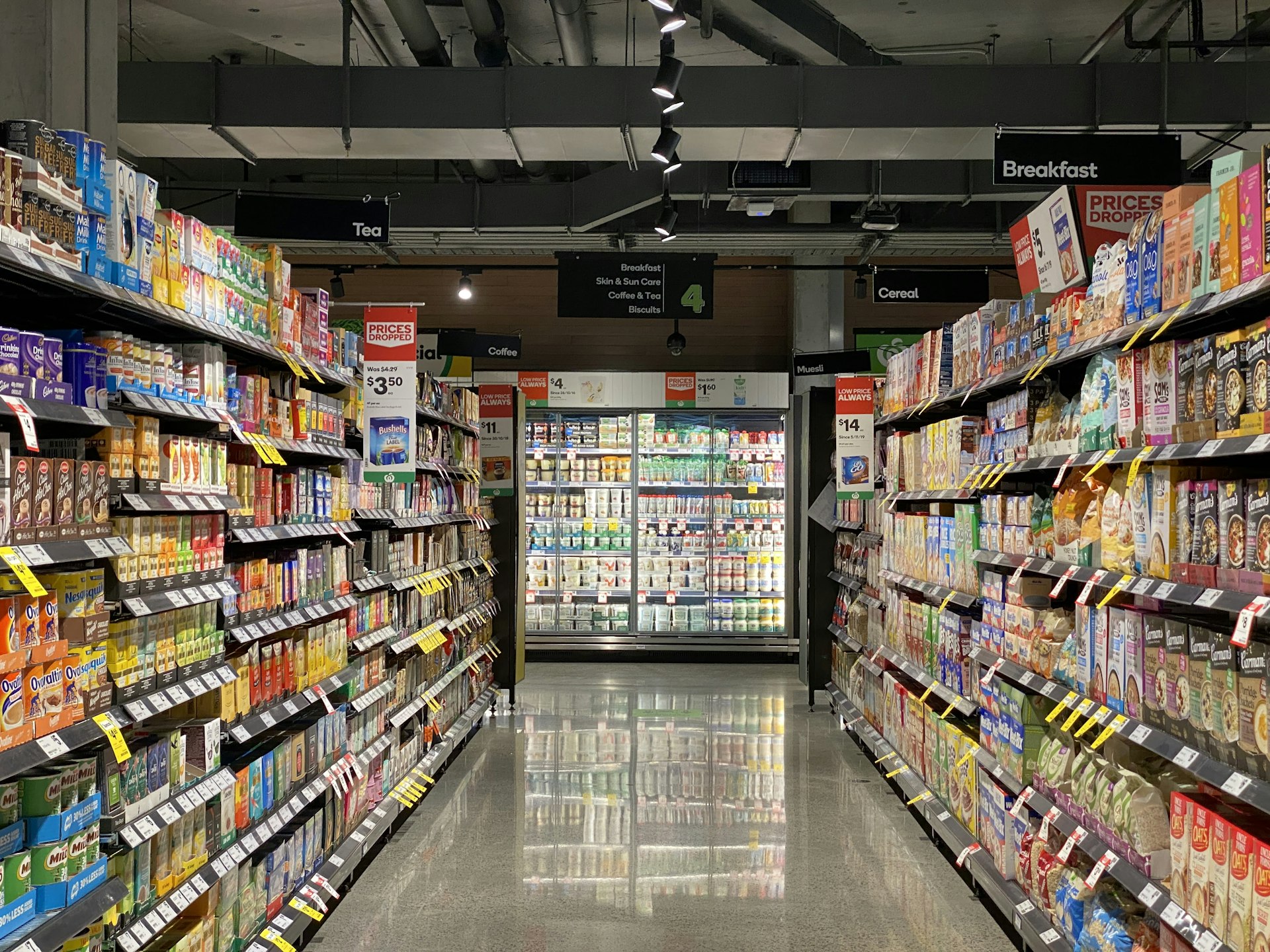
In supermarkets and hypermarkets ozone is used to disinfect cold rooms, storage areas and display cases, to treat fruit and vegetables, and to suppress ethylene and microbial spoilage. In the US, EU, Japan, South Korea, China and Australia, major retail chains have been using ozone for years — from Walmart and Carrefour to Aeon Group and E-Mart.
Ozonation helps cut spoilage losses, extend product shelf life without preservatives and meet strict hygiene requirements without chlorine or other chemical disinfectants. Independent testing shows ozone is 2.2 times stronger than chlorine as an oxidizer, yet produces no harmful by-products.
Benefits of ozone compared to other methods
Compared with chlorine-based and other chemical agents, as well as manual washing, ozone offers several advantages:
- No chemical residues — ozone breaks down to oxygen and requires no rinsing; products and surfaces can be used after brief ventilation.
- Safety for staff and customers — no exposure to aggressive chemicals; when exposure limits are observed, treated areas are safe to work in after the generator is switched off.
- Extended shelf life — suppression of bacteria, mold and ethylene slows spoilage. In trials, strawberries remained mold-free for 15 days instead of 2, and asparagus maintained firmness for up to 17 days longer.
- Labour and time savings — automated ozone delivery to chambers and storage zones reduces the need for manual disinfection.
- Environmental profile — no toxic by-products; ozone is generated on-site from air or oxygen.
Official standards and regulations
Use of ozone in the food industry and retail is governed by national and international documents:
- FDA (USA): ozone approved as an antimicrobial agent for food under 21 CFR 173.368 (since 2001). Permitted in gaseous and aqueous phase for storage, processing and treatment of products, including meat and poultry.
- USDA (USA): the Department of Agriculture has approved ozone for use under the National Organic Program.
- China (GB 2760): ozone is included in the national food additive safety standard as an approved processing aid.
- FSANZ (Australia and New Zealand): the Food Standards Agency recognizes ozone as a safe treatment method.
- Japan: the Ministry of Health approves ozone for food processing; the Japan Ozone Association (JOA) sets application standards.
- EU: ozone use is regulated across member states; applied for water treatment, facility disinfection and shelf-life extension.
- International guidelines (Codex Alimentarius, HACCP, retail industry standards) include ozone as an acceptable or preferred method.
Who uses it: major chains by region
Ozone is used by leading retail and food companies on every continent:
- Walmart (USA and international) — the world's largest retailer uses ozonated water at central distribution centers to wash fruit and vegetables and eliminate pathogens (E. coli, Salmonella). Cold storage facilities use ozone to break down ethylene and prevent mold.
- Costco Wholesale (USA and Canada) — high-concentration ozonated water is used to disinfect surfaces (tables, knives, conveyors) in meat and poultry processing areas; considered safer and more effective than chlorine.
- Whole Foods Market (Amazon, USA) — positions ozone as a 'green technology'; ozonated water is used for treating fresh produce displays and facility sanitization.
- Carrefour (France and Europe) — Europe's largest chain uses ozonated ice for storing fresh fish and seafood; this eliminates odor and slows bacterial growth by 2–3 times.
- Tesco (United Kingdom) — ozone is used in the supply chain to disinfect trucks and containers transporting food; eliminates odors and destroys microorganisms in transport containers.
- Aeon Group (Japan) — Asia's largest retail chain uses ozonated water in prepared food (bento) workshops and fish departments to eliminate odors and neutralize microflora.
- Seven & i Holdings / 7-Eleven (Japan) — uses ozonated water to wash salads and fresh-cut fruit before packaging, preserving color and freshness for 3–4 days.
- E-Mart / Shinsegae Group (South Korea) — Korea's largest hypermarket chain uses ozone generators in cold storage for vegetables, including raw materials for kimchi production.
- Lotte Mart (South Korea) — uses ozone gas treatment at logistics centers to protect imported and exported fruit (strawberries, grapes) from mold and fungal disease.
- Woolworths and Coles (Australia) — the two largest Australian chains (80% market share) use ozone for water recycling: ozonation purifies and enables reuse of produce washing water, cutting water consumption. Meat processing areas use ozone for air sterilization.
- Hema / Freshippo (Alibaba, China) — an innovative smart supermarket chain uses ozone to sterilize aquarium water for live fish and to treat fruit and vegetables with ozone gas before packaging, reducing cold chain spoilage by 30–40%.
- JD.com / 7Fresh (China) — central warehouses feature ozone air purification systems to prevent cross-contamination of odors; ozonated water is used to break down residual pesticides on fruit and vegetable surfaces.
- Bustanica (UAE) — the world's largest vertical farm operated by Emirates Flight Catering; ozone is used to protect crops and ensure product quality during storage and delivery to airlines and regional retail chains.
Global experience: ozone by region
Each region applies ozone technology based on local priorities — from pesticide control in China to water conservation in Australia:
| Region | Primary application | Key results |
|---|---|---|
| USA | Logistics, fruit and vegetable storage, meat processing | FDA approval (21 CFR 173.368); chlorine replacement; waste reduction up to 66% |
| Europe (France, UK) | Seafood, logistics, transport disinfection | Ozonated ice for fish; chemical-free container disinfection |
| Japan | Prepared foods, seafood, salads | Odor elimination; 99.9% bacteria destruction; 3–4 day freshness retention |
| South Korea | Cold storage, logistics, import/export | Fruit mold protection; preservation of kimchi raw materials |
| China | Pesticide decomposition, cold chain, aquariums | 90–95% pesticide breakdown; 30–40% less cold chain spoilage |
| Australia | Water recycling, meat processing, organic produce | Up to 50% water savings; 15–20% longer meat shelf life |
| UAE | Vertical farms, airline supply | Chemical-free crop protection; aviation catering compliance |
Practical benefits for supermarkets
Disinfection without residues
Treatment of chambers, display cases and storage areas without chlorine or chemicals; after ventilation the area is ready for use
Extended shelf life
Strawberries — up to 15 days mold-free (vs 2), asparagus — firmness up to 17 days longer, mangoes — from 14 to 28 days
Global regulatory compliance
FDA 21 CFR 173.368, USDA Organic, FSANZ, GB 2760, HACCP — ozone approved by key regulators worldwide
Proven by world's largest chains
Walmart, Carrefour, Costco, Tesco, Aeon, E-Mart, Lotte Mart, Woolworths, Hema and Bustanica already use ozone