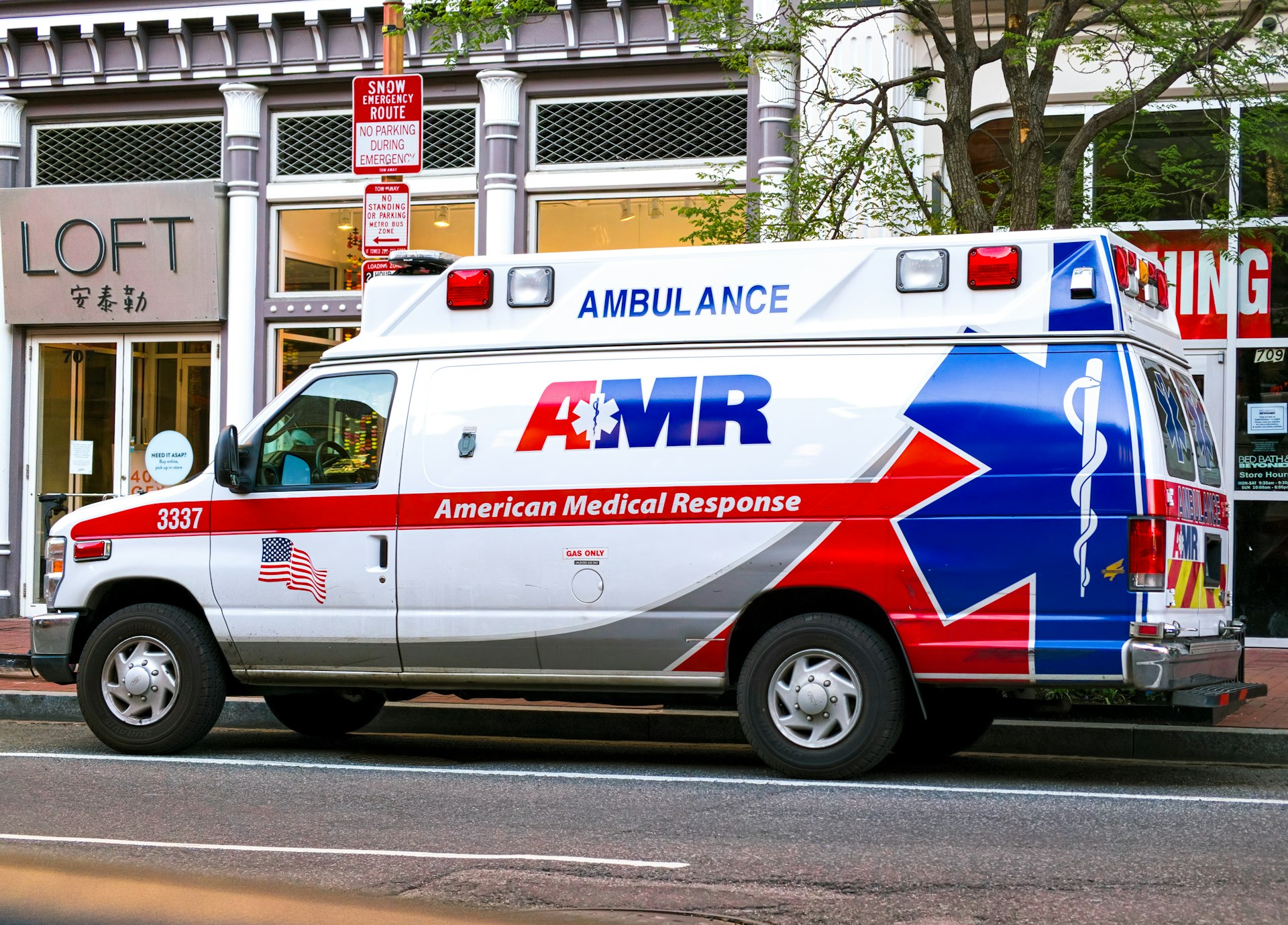
Ambulances daily transport patients with various infectious diseases: ARVI, tuberculosis, COVID-19, intestinal infections. Without quality disinfection between calls, the vehicle becomes a source of cross-infection.
Ozonation is an effective method of express disinfection for medical transport. In 20-30 minutes, ozone destroys pathogenic microorganisms on all surfaces, including hard-to-reach places inaccessible during manual wiping.
Ambulance disinfection challenges
Existing disinfection methods have significant limitations:
- Limited time between calls — lengthy treatment is impossible
- Hard-to-reach places — gaps, seat upholstery, ventilation
- Variety of surfaces — metal, plastic, fabric, electronics
- Medical equipment — not all disinfectants are safe for devices
- Residual chemical odors — discomfort for next patients
Ozonation process
Express ozone disinfection is conducted in several simple steps:
Preparation
Closing cabin windows and doors. Installing mobile ozone generator. Connecting to 220V/230V electrical supply or external source.
Ozonation
Turning on ozone generator for 15-20 minutes. Ozone concentration reaches 20-30 mg/m³, ensuring pathogen destruction.
Exposure
Maintaining concentration for 5-10 minutes. Ozone penetrates upholstery, equipment gaps, ventilation system.
Ventilation
Opening doors, ventilating for 10-15 minutes. Ozone decomposes to oxygen. Vehicle is ready for call.
Treatment modes
Depending on epidemiological situation and type of transported patients, different modes are applied:
| Treatment type | Concentration | Time | Application |
|---|---|---|---|
| Standard | 15-20 mg/m³ | 15-20 min | After each call |
| Enhanced | 25-30 mg/m³ | 25-30 min | After infectious patient |
| Final | 30-40 mg/m³ | 40-60 min | At end of shift |
Equipment for ambulances
Mobile ozone generators are specifically designed for use in ambulances:
Compact size
Dimensions allow storing ozone generator in cabin. Device weight 3-5 kg. Does not take much space.
220V/230V operation
Connection to vehicle power through cigarette lighter or terminals. Portable battery operation possible.
Automatic timer
Programmable operating modes. Automatic shutdown upon cycle completion. Sound signal.
Ease of use
One-button control. No special training required. Instructions on device body.
Comparison with traditional methods
Ozone vs chemical disinfection
| Parameter | Ozonation | Disinfectant wiping |
|---|---|---|
| Treatment time | 20-30 minutes | 15-20 minutes |
| Surface coverage | 100% (including hard-to-reach) | 60-70% (accessible only) |
| Air treatment | Yes | No |
| Residual odor | No (decomposes to O₂) | Yes (chemical smell) |
| Staff labor | Minimal (turn on-turn off) | Significant (manual wiping) |
Benefits for ambulance service
- Fast disinfection between calls — does not reduce efficiency
- Complete treatment of all surfaces, including upholstery and ventilation
- Minimal labor — saves staff time
- No chemical odors — patient comfort
- Operation from electrical supply — no external power sources needed
- Destruction of antibiotic-resistant bacteria and viruses