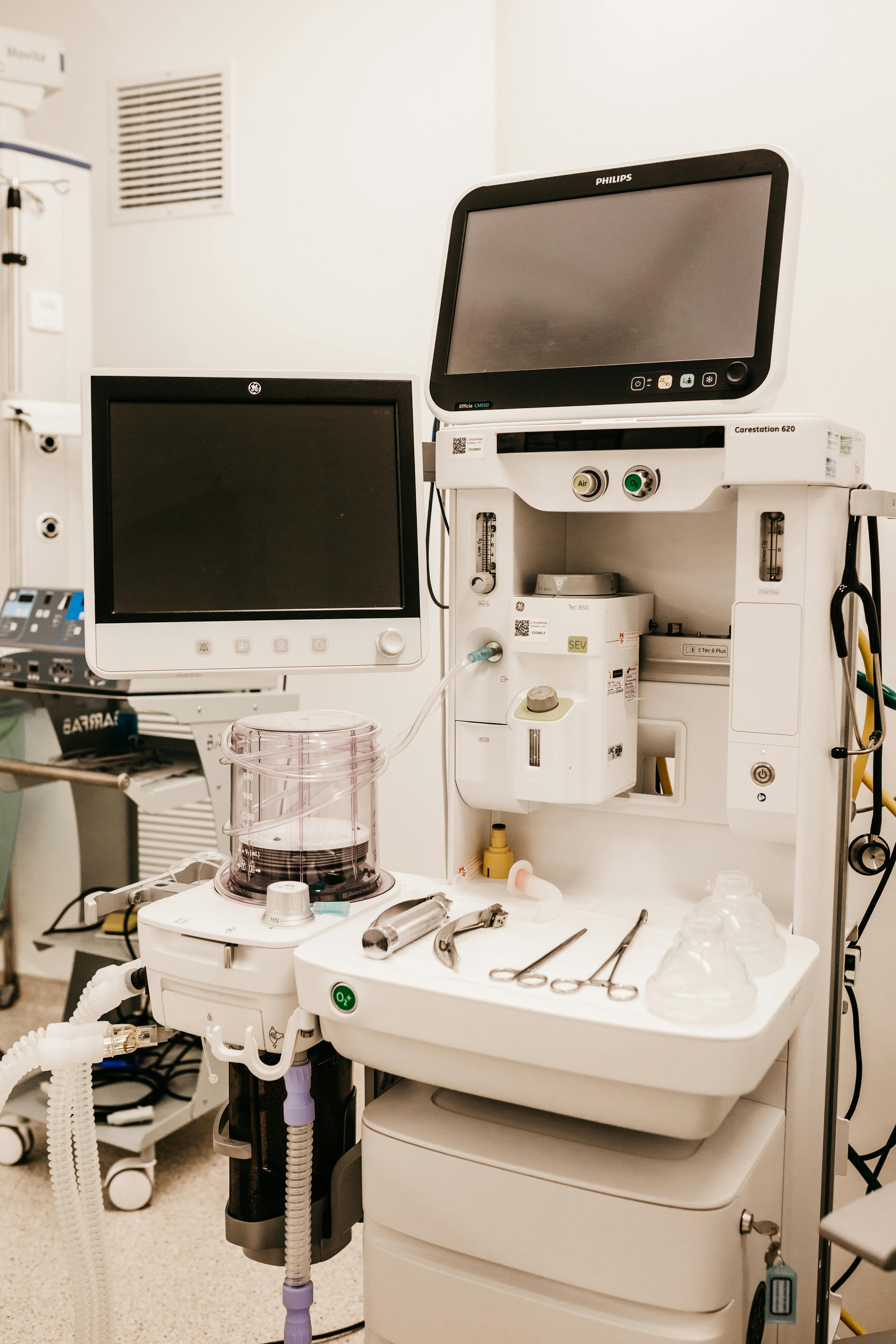
Modern medical equipment often contains heat-sensitive materials: plastic, electronics, optics that cannot be sterilized in an autoclave. Ozone sterilization is an effective alternative operating at 25-35°C.
Ozone is a powerful oxidizer that destroys bacteria, viruses, spores and fungi by breaking down cell membranes. At the same time, it leaves no toxic residues and decomposes into oxygen within 20-30 minutes after treatment.
Medical equipment sterilization problems
Medical equipment requires sterilization after each use. But not all methods are suitable for all types of products:
- Autoclaving: high temperature damages plastic and electronics
- Ethylene oxide: toxic, requires long degassing (up to 12 hours)
- Plasma sterilization: high equipment cost
- Chemical solutions: metal corrosion, seal damage
- Radiation sterilization: expensive, not suitable for daily use
Endoscope sterilization
Endoscopes are complex devices with narrow channels, optics and electronics. Their sterilization is a special task that ozone solves effectively.
| Endoscope type | Ozone concentration | Treatment time | Features |
|---|---|---|---|
| Gastroscopes | 40-60 ppm | 30-40 min | Channel purging with ozone |
| Colonoscopes | 40-60 ppm | 40-50 min | Increased channel length |
| Bronchoscopes | 50-70 ppm | 35-45 min | Thin channels, delicate optics |
| Laparoscopes | 30-50 ppm | 25-35 min | Compact design |
Low-temperature sterilization process
The ozone sterilization cycle consists of several stages, each important for achieving complete sterility:
Pre-humidification
Bringing humidity in the chamber to 80-90%. Moisture enhances the bactericidal action of ozone and ensures its penetration into micropores.
Ozone saturation
Ozone supply to concentration of 40-80 ppm. The gas is evenly distributed throughout the chamber and penetrates all equipment cavities.
Exposure
Holding at specified concentration for 30-60 minutes. During this time, ozone destroys cell membranes of all microorganisms.
Degassing
Removal of residual ozone from the chamber. Ozone decomposes into oxygen in 15-20 minutes. Equipment is ready for use.
Compatible materials
Ozone sterilization is safe for most materials used in medical equipment:
Plastics and polymers
Polyethylene, polypropylene, polycarbonate, PVC — not damaged during ozone sterilization
Electronics
Boards, sensors, displays, endoscope cameras — safe treatment without static voltage
Optics
Lenses, light guides, prisms — ozone does not affect optical properties of elements
Metals and alloys
Stainless steel, titanium, aluminum — resistant to ozone at standard concentrations
Sterilization method comparison
Ozone vs traditional methods
| Parameter | Ozone | Autoclave/Ethylene oxide |
|---|---|---|
| Treatment temperature | 25-35°C | 121-134°C / 37-55°C |
| Full cycle time | 45-90 minutes | 30-60 min / 3-12 hours |
| Toxic residues | No (decomposes to O₂) | No / Yes (requires degassing) |
| Plastic compatibility | Yes | No / Partially |
| Consumables cost | Minimal (electricity) | Medium / High |
Benefits for healthcare facilities
- Sterilization of heat-sensitive equipment without damage
- Fast processing cycle — high instrument turnover
- No toxic residues — patient safety
- Low operating cost — minimum consumables
- Penetration into hard-to-reach places — complete channel sterilization
- Compliance with medical device sterilization standards