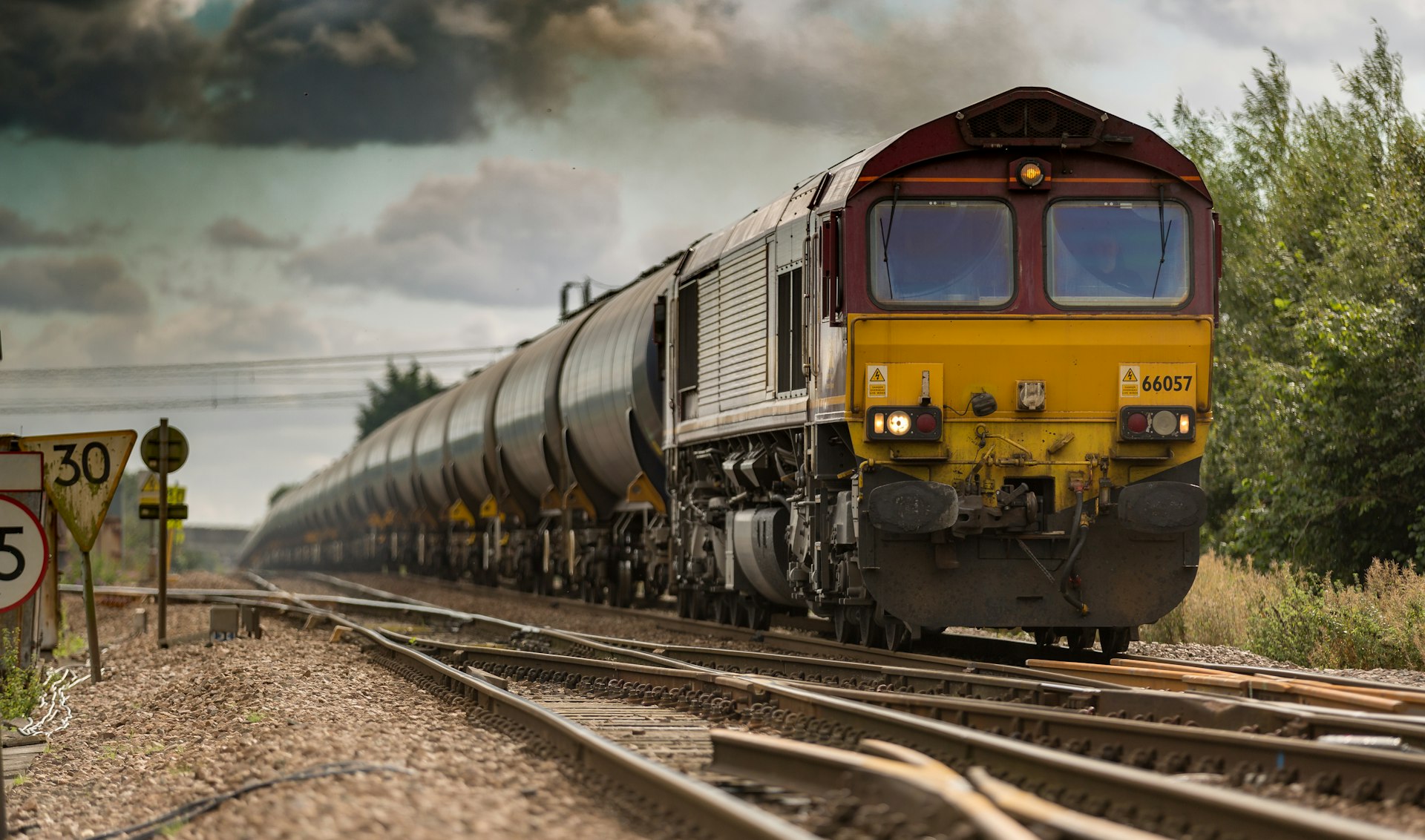
Railway carriages are enclosed spaces where passengers spend from several hours to several days. In compartment and open coaches, people sleep on shared bunks, use shared toilets, and breathe recirculated air. This creates ideal conditions for infection spread.
Ozonation is the only method that provides complete carriage disinfection, including ventilation systems, mattresses, curtains and hard-to-reach areas. The gas penetrates everywhere that a disinfectant cloth cannot reach.
Sanitation specifics in trains
Passenger carriages have specific problems that are difficult to solve with traditional cleaning:
- Textile elements (mattresses, pillows, curtains) absorb odors and microorganisms
- Ventilation systems recirculate air, spreading pathogens between compartments
- Toilets with limited water are difficult to keep clean
- Carpeting accumulates dust, dirt and organic contamination
- Inter-car vestibules and passages are high-contamination zones
- Open coaches have open space with shared ventilation
Carriage ozonation technology
Passenger carriage treatment is done in the depot between runs. The method depends on carriage type and objectives.
Preliminary cleaning
Remove trash, change bed linens, wet cleaning. Ozone works more effectively on clean surfaces.
Carriage sealing
Close all windows, doors, inter-car passages. Turn off supply ventilation, leave recirculation for ozone distribution.
Ozonator placement
In compartment cars — 2-3 ozonators in the corridor. In open coaches — 3-4 ozonators along the aisle. In toilets — separate units.
Ozonation
Turn on ozonators, leave the carriage, close the door. Treatment time 30-60 minutes depending on contamination level.
Ventilation
Open windows and doors, turn on supply ventilation at full power. Ventilate for 20-30 minutes.
Treatment modes by carriage type
| Carriage type | Volume | Capacity | Treatment time |
|---|---|---|---|
| Compartment (10 compartments) | 120-130 m³ | 30-50 g/h | 40-60 min |
| Open coach | 150-160 m³ | 40-60 g/h | 50-70 min |
| Soft class | 100-110 m³ | 20-30 g/h | 30-45 min |
| Dining car | 80-90 m³ | 20-30 g/h | 40-50 min |
| Commuter train (1 car) | 70-80 m³ | 15-25 g/h | 30-40 min |
| Metro car | 50-60 m³ | 10-20 g/h | 20-30 min |
Toilet treatment
Toilets in trains are a special focus area. Limited water, high usage intensity, specific odors. Traditional cleaning methods do not fully solve the problem.
- Ozone destroys bacteria in toilets, sinks, floors and walls
- Neutralizes odors at the molecular level, not masking them
- Treats hard-to-reach areas: behind toilets, under sinks
- Eliminates fungus and mold in corners and joints
- Disinfects ventilation grilles and ducts
Recommended mode: concentration 20-30 mg/m³, time 20-30 minutes. For severe cases — increase time to 45-60 minutes. Compact ozonators of 3-5 g/h are ideal for toilets.
Comparison with traditional methods
Ozonation vs chemical carriage disinfection
| Parameter | Ozonation | Chemical treatment |
|---|---|---|
| Mattress and textile treatment | Yes (without removal) | No (replacement only) |
| Ventilation disinfection | Yes (automatically) | No |
| Odor elimination | Complete (oxidation) | Partial (masking) |
| Staff per car | 1 person per 5-10 cars | 2-3 people per car |
| Consumables | Electricity | Disinfectants, rags |
| Wet residues | No | Yes (require drying) |
Depot integration
Train turnover
Ozonation during standard turnover. While linens are changed — the car is treated
Night layover
Trains standing in the depot at night are treated automatically on schedule
Seasonal peaks
During high passenger traffic periods — enhanced treatment mode
Incident treatment
After transporting a sick passenger — unscheduled deep disinfection
Freight car treatment
Ozonation is used not only for passenger but also for freight cars:
- Covered cars — removal of odors from previous cargo
- Refrigerated sections — disinfection without chemical residues
- Grain cars — pest control
- Perishable cargo cars — extended storage periods
- Insulated cars — preparation for food transport
Economics for depots
| Indicator | With ozonation | Without ozonation |
|---|---|---|
| Cleaning staff | 3-4 people | 15-20 people |
| Train treatment time | 2-3 hours | 5-6 hours |
| Disinfectant costs/month | ~5000 ₽ (electricity) | ~80,000 ₽ |
| Odor complaints | Rarely | Regularly |
| Ventilation treatment | Every run | Once a year (repair) |
Payback period for depot ozonator set — 6-12 months through savings on staff and consumables. Additional benefit — improved passenger reviews of car cleanliness.
Railway transport equipment
Industrial ozonators are used for car treatment:
- Mobile ozone guns (30-100 g/h) — for whole car treatment
- Portable ozonators (10-30 g/h) — for compartments and toilets
- Wall-mounted ozonators (5-20 g/h) — for fixed installation in cars
- Timer systems — for automatic scheduled treatment
- Ozone sensors — for concentration monitoring and safety
Depot safety requirements
When ozonating cars in the depot, observe safety requirements:
- Treatment only in absence of people in the car and on adjacent tracks
- Post warning signs "Ozonation. Entry prohibited"
- Staff must be trained in ozone work
- When entering car before ventilation — use respirator
- Keep treatment log with car number, time, parameters
- If sharp ozone odor is detected — immediately leave the area